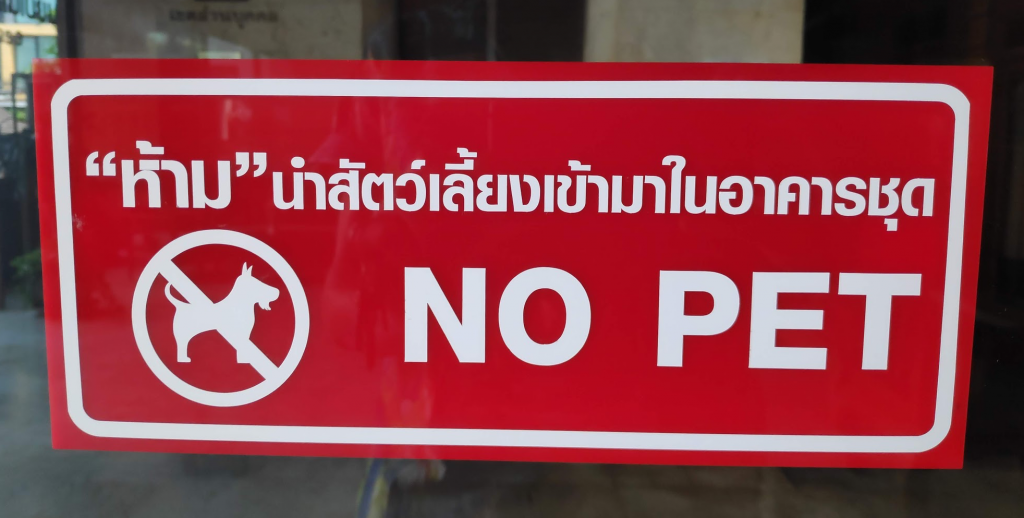
Thai is sometimes more wordy than English.
This guide covers everything you need to start learning Thai — from 25 essential phrases you can use right away, to how Thai tones and pronunciation work, to a simple 3-step plan for going from zero to basic conversations. Whether you’re planning a trip or moving to Thailand, start here. For a deeper roadmap, see my guide on how to start learning Thai.
Top 25 Thai Phrases for Beginners
| English | Thai (Transliterated) | Thai Script |
|---|---|---|
| Hello | sa-wat-dee (khrap / kha) | สวัสดี ( ครับ / ค่ะ) |
| Thanks | khawp khun (khrap / kha) | ขอบคุณ ( ครับ / ค่ะ) |
| Goodbye | jer kun | เจอกัน |
| I'm sorry | kor tote | ขอโทษ |
| I can't speak Thai | phuut Thai mai ppen | พูดไทยไม่เป็น |
| Where are you going? | ppai nai? | ไปไหน |
| Where is the toilet? | hawng-nam yuu thii nai? | ห้องน้ำอยู่ที่ไหน |
| Nevermind / Don't worry about it | mai ppen rai | ไม่เป็นไร |
| What's your name? | chue a-rai (khrap / kha) ? | ชื่ออะไร ( ครับ / ค่ะ) |
| What are you doing? | tam a-rai yuu? | ทำอะไรอยู่ |
| Did you eat yet? | kin khaaw rue yang? | กินข้าวรึยัง |
| I don't have __ / There isn't ___ | mai mee | ไม่มี |
| I want / I'll have . | ow ... | เอา .. |
| Bill/check please | chek-bin (khrap / kha) | เช็คบิล ( ครับ / ค่ะ) |
| What's this? | an-nee khue a-rai | อันนี้คืออะไร |
| How much is this? | an-nee thao-rai? | อันนี้เท่าไร |
| It's very expensive! | paeng maak | แพงมาก |
| Can you lower the (price)? | lote noi dai mai? | ลดหน่อยได้มั้ย |
| Do you like (___)? | chawp (___) mai | ชอบไหม |
| I don't like (it) | mai chawp | ไม่ชอบ |
| Does it taste good? / Is it delicious? | a-roi mai? | อร่อยมั้ย |
| Good luck! | chok-dee | โชคดี |
| Do you understand? | khao-jai mai? | เข้าใจมั้ย |
| I don't understand. | mai khao-jai | ไม่เข้าใจ |
| I don't know | mai ruu | ไม่รู้ |
How to Start Learning Thai in 3 Steps
Step 1: Learn the Thai script + starter phrases (2–4 weeks)
The Thai script looks intimidating, but you can learn it in 15–30 hours. While you’re working through the alphabet, practice the 25 phrases above — as you learn new letters, come back and see how many you can read in Thai script.
Step 2: Drill high-frequency sentence patterns (1–3 months)
Don’t memorize word lists. Instead, drill short, common sentence patterns — the kind Thai people actually say every day. This gets you into real conversations much faster. Start with the 100 Sentence Project below, then move to dialogue practice.
Step 3: Talk to Thai people (and maybe AI!)
Use your sentences with real people as soon as possible. If you’re in Thailand, you’re set. If not, find a Thai restaurant near you and chat with the staff, or book a tutor on a site like Italki. You can also practice with AI tools like ChatGPT — tell it to roleplay as a Thai speaker and have a basic conversation. It’s not a replacement for real people yet, but it’s great for building confidence before you do.
Do I Need to Learn the Thai Alphabet?
Yes. Learning the Thai script is the single most important step in learning to speak Thai. Many Thai sounds don’t exist in English, and the script is the only reliable way to learn them. Without it, your pronunciation will always be off and Thai people will struggle to understand you.
The good news: it’s not as hard as it looks. Most people can learn the Thai script in 2–4 weeks with consistent practice. Once you do, everything else gets easier — you’ll pick up new vocabulary faster, read menus and signs, and stop relying on transliteration that was never accurate in the first place.
If you want a structured path, Learn Thai from a White Guy’s Inner Circle is an online program with courses covering Thai script, tones, pronunciation, and real conversation practice. The first course, Read Thai in 2 Weeks, breaks everything you need to know about the Thai script down into 50 short lessons. Over 15,000 students have learned to read and speak Thai through the program, and you can start with 5 free lessons to see if it’s right for you. But even on your own, this is the step you shouldn’t skip.
Is Thai Hard To Learn?
It depends on your background, but for English speakers, here are the unfamiliar parts:
Tones — Thai has 5 tones. Say the wrong tone and “maa” goes from “dog” (rising tone) to “horse” (high tone). It takes practice, but the tone rules are learnable — they’re not random.
Pronunciation — Some Thai sounds don’t exist in English, at least not where you’d expect. The Thai consonant ง is an “ng” sound. You already make it at the end of words like “sing” — but in Thai, words can start with it, like เงิน (ngoen, “money”). Strange at first, but it clicks with practice.
Thai also has unaspirated consonants. Put your hand in front of your mouth and say “too” — you’ll feel air on the “t.” Now say “stop” — the “t” is unaspirated. That softer “t” is the Thai consonant ต. Same thing with “pat” (aspirated) vs “spit” (unaspirated) — that softer “p” is the Thai consonant ป.
The easy parts — Thai grammar is simpler than English in several ways: no verb conjugation (it’s always “go,” never “goes” or “went”), no plural noun changes (“person” stays “person” whether there’s one or five), and no complicated tenses.
Instead, Thai usually relies on context and simple time words to show when something happened.
Best Resources to Start Learning Thai
Increase Your Vocab: Check out the How To Say series on the LTfaWG blog for basic Thai vocabulary lessons with flashcards.
Learn Thai Tones: Want to know how Thai tones work? This page covers all 5 Thai tones and how to determine the tone of any Thai word.
Practice Thai Sentences: Once you’ve learned the 25 phrases above, try the 100 Sentence Project — 100 core Thai sentences that will help you start having real conversations. Before that, read my full guide on how to start learning Thai.