
Beginner Archives - Page 5 of 5 - Learn Thai from a White Guy

How to Practice Tones

How to Practice Thai Tones: A Beginner’s Guide

Thai tones can seem intimidating at first. But with the right practice methods, you can master them!

Here’s an easy way for beginners to practice tones in Thai.

ðŸŽĨ Video Guide: Tone Practice Method

Watch this simple technique that makes tone practice much easier:

ðŸŽĩ Why Tones Matter in Thai

Thai is a tonal language. This means the pitch of your voice changes the meaning of words.

For example:

  • āļĄāļē (maa) with mid tone = come
  • āļŦāļĄāļē (mĮŽa) with rising tone = dog
  • āļĄāđ‰āļē (mÃĄa) with high tone = horse

Getting the wrong tone can completely change what you’re trying to say!

ðŸŽŊ The 5 Thai Tones

Thai has five distinct tones:

  1. Mid tone – Flat, neutral pitch
  2. Low tone – Starts mid, drops down
  3. Falling tone – Starts high, falls sharply
  4. High tone – High, flat pitch
  5. Rising tone – Starts low, rises up

📝 Practice Methods for Beginners

1. Start with Tone Pairs

Practice words that only differ by tone:

  • āđƒāļ glÃĒi (falling) = near
  • āđ„āļ gai (mid) = chicken

2. Use Hand Gestures

Move your hand to match the tone direction:

  • Mid: Keep hand flat and level
  • Low: Start middle, drop down
  • Falling: Start high, drop sharply
  • High: Keep hand up high
  • Rising: Start low, go up

3. Practice with Minimal Pairs

Focus on words that sound similar but have different tones:

  • āļ‚āđˆāļēāļ§ (khàao) = news (falling tone)
  • āļ‚āđ‰āļēāļ§ (khÃĒao) = rice (falling tone)
  • āđ€āļ‚āđ‰āļē (khÃĒo) = to enter (falling tone)

4. Record Yourself

Use your phone to record yourself saying tone practice words. Then compare with native speakers.

5. Listen and Repeat

Find audio of native Thai speakers. Listen carefully to their tones. Then repeat immediately.

ðŸšŦ Common Tone Mistakes to Avoid

  • Don’t rush: Take time to get each tone right
  • Don’t ignore context: Some words change meaning completely with wrong tones
  • Don’t give up: Tones take time to master, even for native speakers
  • Don’t practice silently: You need to hear yourself speak

ðŸ’Ą Pro Tips for Tone Practice

  1. Practice daily: Even 10 minutes a day helps
  2. Start simple: Master basic words before moving to complex ones
  3. Use music: Sing Thai songs to practice tone patterns
  4. Find a practice partner: Thai native speakers can give immediate feedback
  5. Be patient: Tone mastery takes months, not days

ðŸ“ą Helpful Apps and Tools

  • Forvo: Hear native pronunciation of Thai words
  • Google Translate: Has audio playback for tone reference
  • Anki: Create flashcards with audio for tone practice
  • YouTube: Lots of free Thai pronunciation videos

ðŸŽŊ Practice Exercises

Exercise 1: Tone Recognition

Listen to Thai words and identify which tone you hear. Start with obvious examples.

Exercise 2: Tone Production

Say the same word with different tones. Record yourself and compare.

Exercise 3: Context Practice

Use tone words in simple sentences. This helps with natural flow.

📚 Next Steps

Once you’re comfortable with basic tones:

  • Learn tone rules for reading Thai
  • Practice with longer phrases and sentences
  • Study how tones change in connected speech
  • Work with a Thai teacher for personalized feedback

🔗 More Resources

I’ve been making lots of new videos lately. If you haven’t subscribed to my YouTube channel, consider doing so.

You can also like my Facebook page for updates.

I’ll be posting more content from recent filming sessions. When I put something up, it will be useful to you. Or at least funny in a Thai way!

Remember: Mastering Thai tones takes time and practice. But with consistent effort, you’ll get there. Good luck!

Master Thai Tones: Complete Guide + Chart

Your Complete Thai Tone Rules Chart (Free Download)

Get instant access to the chart thousands of students use to master Thai tones

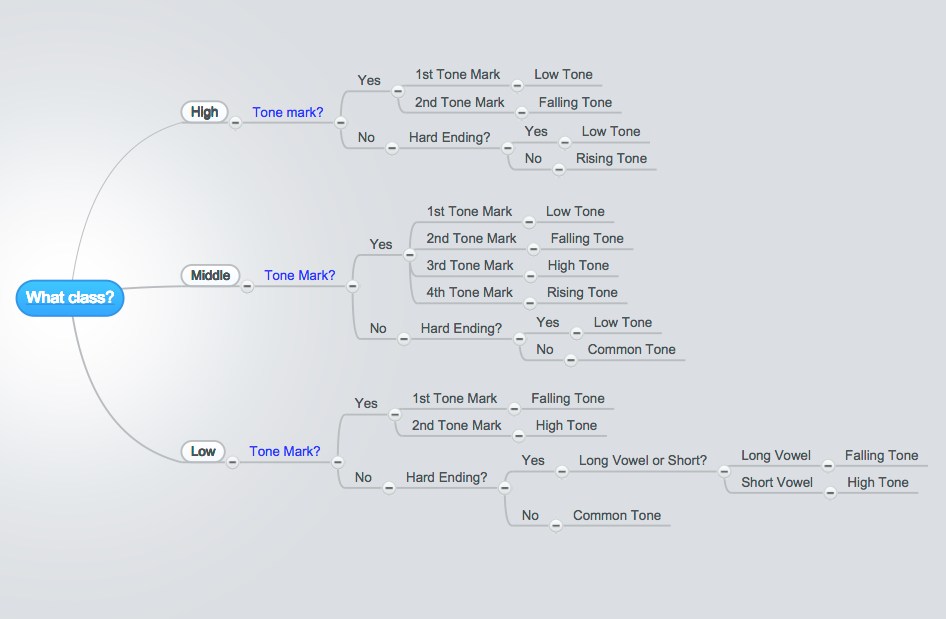
📊 Your Thai Tone Rules Chart


Complete Thai Tone Rules Chart

👆 Right-click to save this chart to your device

🚀 Quick Start Guide

New to Thai tones? Here’s how to use this chart effectively:

Step 1: Learn the Consonant Classes

High Class (11 letters): āļ‚ āļƒ āļ‰ āļ āļ– āļœ āļ āļĻ āļĐ āļŠ āļŦ

Mid Class (9 letters): āļ āļˆ āļŽ āļ āļ” āļ• āļš āļ› āļ­

Low Class (24 letters): āļ„ āļ… āļ† āļ‡ āļŠ āļ‹ āļŒ āļ āļ‘ āļ’ āļ“ āļ— āļ˜ āļ™ āļž āļŸ āļ  āļĄ āļĒ āļĢ āļĨ āļ§ āļŽ āļŪ

Step 2: Identify Live vs Dead Syllables

Live syllables: End with long vowels or nasal sounds (āļĄ, āļ™, āļ‡, āļĒ, āļ§)

Dead syllables: End with short vowels or stop consonants (āļ, āļ”, āļš, āļ›, āļ•, āļ„)

Step 3: Apply the Rules

Use the chart to determine the tone based on:

  • Starting consonant class
  • Syllable type (live/dead)
  • Tone marks (if present)

ðŸ’Ą Pro Tips for Mastering Thai Tones

  • Start with mid-class consonants – they’re the most predictable
  • Practice with real words – not just individual syllables
  • Use the chart regularly – until the patterns become automatic
  • Focus on common words first – like numbers, colors, and everyday vocabulary

📚 Complete Thai Tone System Details

Ready to dive deeper? Here are the additional elements that make Thai tones work:

Essential Tone Components

  • Vowel Length Recognition: Distinguish between short and long vowels (āļ­ vs āļ­āļē, āđ€āļ­ vs āđ€āļ­āļ­)
  • Consonant Clusters: Handle combinations like āļāļĢ, āļ›āļĢ, āļ•āļĢ
  • Silent Letters: Recognize when consonants are silent (marked with āļāļēāļĢāļąāļ™āļ•āđŒ āđŒ)
  • Tone Mark Exceptions: Know when tone markers override normal rules
  • Word Boundaries: Identify where one syllable ends and another begins

Common Challenges (And How to Overcome Them)

  • Memorizing consonant classes: Use mnemonics and practice daily
  • Vowel pattern recognition: Start with the most common patterns
  • Applying rules consistently: Practice with familiar words first

Ready to Take Your Thai to the Next Level?

This chart is just the beginning. While it shows you the rules, learning to apply them fluently takes practice and the right teaching method.

That’s why I created my step-by-step system that takes you from zero Thai reading ability to confident tone recognition in just 2 weeks.

What makes my course different:

  • ✅ Logical progression – Learn consonant classes in order of difficulty
  • ✅ Memory techniques – Proven methods to memorize consonants quickly
  • ✅ Daily practice system – Make tone recognition automatic
  • ✅ Real examples – Practice with actual Thai words you’ll use
  • ✅ Exception handling – Learn the most important exceptions first
  • ✅ Personal support – Get answers to your specific questions

Stop struggling with confusing explanations and random tutorials.

Get the complete system that actually works.

Get the Complete Course →
Learn More About the System →

Join thousands of students who’ve already mastered Thai reading with this proven system.

How to say FOR in Thai

When I first wanted to know the word for “for” in Thai,  my Lonely Planet Phrasebook said āļŠāļģāļŦāļĢāļąāļš or samrap.  While āļŠāļģāļŦāļĢāļąāļš does mean “for,” in many cases, it is not the best answer.

for in thai

Samrap you, samrap me?

There are 3 main ways to say “for” in Thai.   Luckily, there is often some overlap with their English equivalents, but it may take a bit to get used to which word you’ll need to use in each situation.  I’ll include some key examples in this post so you can get an idea which is which.

“FOR” in Thai

The first version of “for” that we will look at is “ āļŠāļģāļŦāļĢāļąāļšâ€ (sam-rap).

This version of “for” is often used when talking about what the purpose of a thing is or what it’s intended use is. Let’s look at the sentence “games for kids”.  The “for” in this sentence essentially means “intended to be used by”.  This is how the word āļŠāļģāļŦāļĢāļąāļš (sam-rap) is used in Thai.

āļŠāļģāļŦāļĢāļąāļš (sam-rap) + NOUN = for (use by/of)

āļŠāļģāļŦāļĢāļąāļš can also be attached to a verb phrase.  This is similar to how we would say a phrase like “a pen for ipad.”  The “for” means something like “for the purpose of.”

The usage is just sap-rap āļŠāļģāļŦāļĢāļąāļšÂ  + the verb:

āļŠāļģāļŦāļĢāļąāļš (sam-rap) + VERB = “intended to used to do X”

Here are some more examples:

For in Thai  (for the benefit of)

The next Thai version of “for” that we’re going to look at is the word āđ€āļžāļ·āđˆāļ­Â (phuea).  āđ€āļžāļ·āđˆāļ­ (phuea) means something like in order to; for the benefit of; for the purpose of someone or something.  For example “to work for my family”.  The “for” in this sentence means something like “for the benefit of”.

This word is used for all the organizations and foundations.  School for the blind, for the people, etc.

āđ€āļžāļ·āđˆāļ­ (phuea) – for the benefit/purpose of someone/something; in order to

For in Thai (on behalf of/ in case of)

The third version of “for” that we will look at is āđ€āļœāļ·āđˆāļ­ (phuea).  This can mean something similar to the English “in case of something” or “on behalf of”  

In these examples, āđ€āļœāļ·āđˆāļ­ works like “in case.”

While in these very commonly used examples, āđ€āļœāļ·āđˆāļ­ functions as “on behalf of”

These are often used when you are telling someone you are going to do something…go eat, go out, go on a trip, etc and the person you are speaking to says this to mean something like “do it/one for me too!”

English example, you are heading out to the pub, but your friend is sick or has to stay home in work – they might say ‘Drink one for me!”

āđ€āļœāļ·āđˆāļ­ (phuea) –

Thai Tone Tip:

Although the word āđ€āļœāļ·āđˆāļ­ (phuea) and āđ€āļžāļ·āđˆāļ­Â (phuea) above share the same vowel and same initial consonant sound, they are spoken with a different tone.  As Thai is a tonal language, this can change the meaning of a word.  Click on the audio for both words again and pay attention to tones of each word. āđ€āļžāļ·āđˆāļ­ (phuea) is spoken with a falling tone – meaning the tone rises and then falls again, while the word āđ€āļœāļ·āđˆāļ­ (phuea) is spoken with a low tone.  

These 2 words take different tones because of 2 factors: their initial consonant AND the tone mark.

While you need to know the 4 tone marks in order to determine the tone of a word or syllable in Thai, you ALSO need to know the CONSONANT CLASS of the word as each of the 3 classes has slightly different tone rules that you’ll need to master in order to learn to speak Thai fluently.

It does take a bit of work, but you can learn to read and speak Thai.  Sign up below and we’ll send you some free lessons from our Learn Thai Inner Circle program.

For in Thai: Bonus Round āđƒāļŦāđ‰

āđƒāļŦāđ‰ (hai) is a very versatile word which has lots of different uses.  Depending on the sentence it can mean: to give; to allow; to make someone do something; and it can also be used as the preposition, “for.”   If this sounds intimidating, try to explain to a non-native English speaker what “get” means.

 Sentences Where “For” Isn’t Used in Thai

Even though there are lots of ways to say “for” in Thai, there are a number of sentences where “for” is not used.

Below are some situations where we use “for” in English but not in Thai.

Situation 1: When talking about how long something has been or will be done for.

Example sentences:

Even though in English we need to use the word “for” in these sentences, in Thai there is no equivalent version of “for” used.

Situation 2: When thanking someone or saying sorry for doing something.

Example sentences:

Once again, there is no version of “for” used in these Thai sentences.

Farang Tip:

We understand that trying to memorize all of this will be impossible for most people.  Just bookmark this page and come back to reference it as needed.   Whenever you run into a situation where you want to say something and you don’t know how, make a note somewhere and look it up, send us a message, or ask on a app like HiNative.